Tips for Choosing Boston top Microblading for Better Brow Results
Tips for Choosing Boston top Microblading for Better Brow Results
Blog Article
Certified Microblading: Optimize Your Elegance With Precision
Professional eyebrow tattooing has become a popular approach for obtaining well-defined eyebrows. This process involves the precise placement of color to produce delicate, hair-like strokes. Its accuracy allows for a tailored look that complements personal facial features. However, many may question about the process, benefits, and possible misconceptions surrounding this long-lasting improvement. Understanding these aspects can greatly affect one's choice to pursue this beauty treatment. What else should a potential client consider?
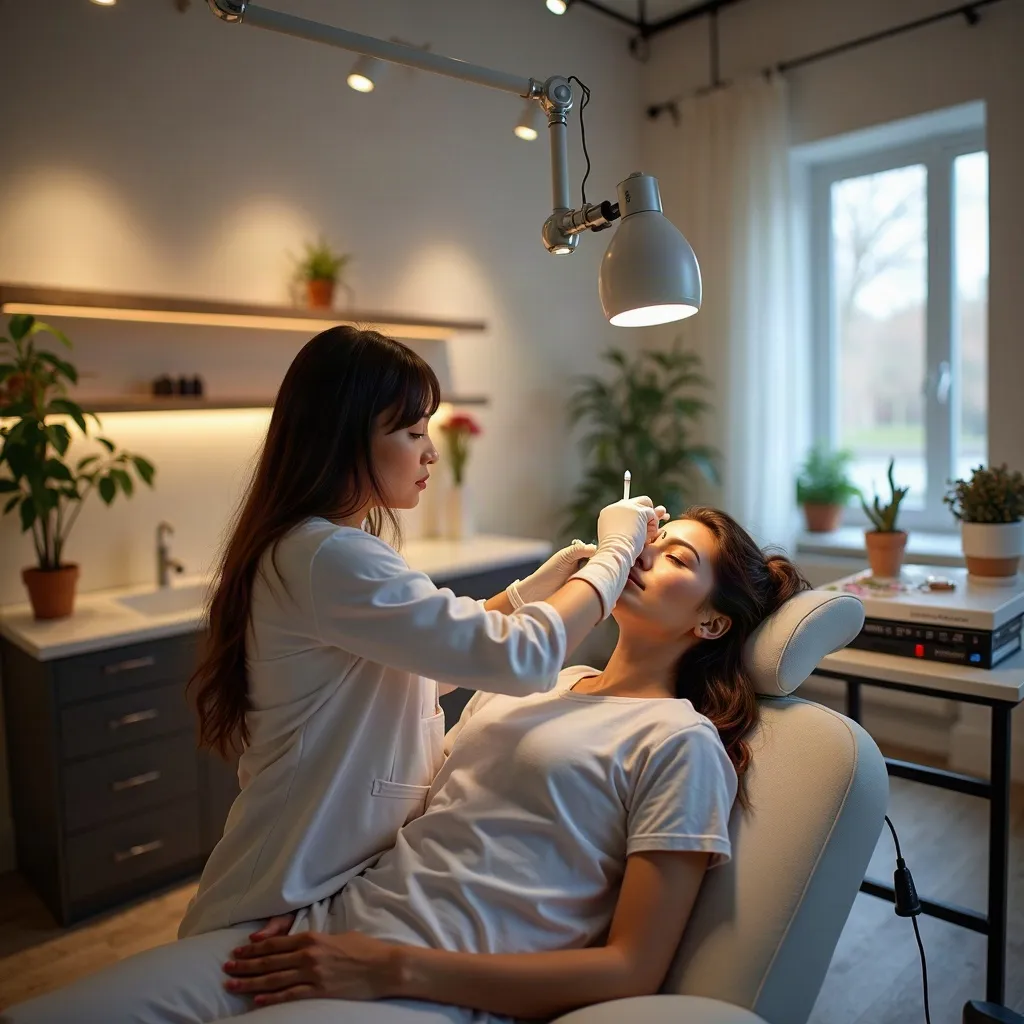
Understanding Professional Microblading: What It Is and How It Works
Microblading, a precision method in the cosmetic industry, involves the long-lasting enhancement of eyebrows. This method employs a handheld tool fitted with fine needles to deposit pigment into the skin's upper layers, creating hair-like strokes that echo natural eyebrow hairs. The process begins with a complete consultation, where the technician reviews the client's facial structure and discusses desired outcomes.
After this point, a anesthetic is administered to lessen pain during the procedure. The artist meticulously plots the perfect shape, ensuring balance and alignment with the client's features. Once the design is approved, the microblading commences, generally taking about two to three hours to accomplish. Aftercare is vital, as it includes detailed guidelines to promote healing and maintain the integrity of the results. Over time, refresher sessions may be required to refresh the appearance, ensuring that the brows remain defined and vibrant.
The Benefits of Choosing Professional Microblading
Selecting professional microblading provides many benefits, particularly for those pursuing a refined and natural look. One considerable advantage is the skill of trained technicians who have an comprehensive understanding of facial symmetry and skin types. This professional perspective ensures that the brows are not only aesthetically pleasing but also tailored to enhance individual features.
Additionally, trained professionals leverage superior pigments and tools, decreasing the danger of harmful side effects or disappointing outcomes. They likewise copyright strict hygiene standards, establishing a protected space that decreases the risk of infection.
In addition, trained microblading practitioners typically integrates a consultation process, giving clients the opportunity to articulate their tastes and aspirations effectively. This personalized approach nurtures trust and satisfaction, as clients receive brows that match their individual preference and enhance their allure. Ultimately, choosing expert microblading services can deliver long-lasting results that appreciably raise one's visual impact and self-belief.
Readying for Your Microblading Procedure
Getting ready for a microblading procedure requires several crucial steps to guarantee optimal results. First, clients should schedule a consultation with their microblading artist to talk about desired outcomes, brow shape, and color preferences. This initial meeting allows for a comprehensive understanding of individual needs and expectations.
Prior to the appointment, it is wise to steer clear of blood-thinning products such as alcohol, caffeine, and certain medications, which can alter healing. Additionally, clients should skip waxing or tinting their brows to ensure a clean canvas for the artist.
On the day of the session, presenting yourself with clean skin, devoid of makeup, is important. This allows the artist to assess the natural brow shape accurately. Clients should also inform any allergies or skin sensitivities to guarantee the safest and most effective treatment. Thorough preparation ultimately enhances the overall microblading experience.
Post-Care Pointers for Looking after Your Microbladed Brows
Aftercare is important for protecting the form of microbladed brows. Clients should avoid water exposure, use tender cleansers, and apply repair cream as directed. These steps help validate ideal healing and longevity of the results.
Minimize Moisture Exposure
While semi-permanent brows can enhance one's appearance, upholding their integrity necessitates detailed aftercare, particularly concerning water exposure. Water can obstruct the recovery period, potentially making the pigment disappear early or leading to infection. For at least two weeks following the procedure, it is imperative for clients to avoid submerging their brows in water, whether by swimming, saunas, or excessive sweating. Showering should be handled with caution; using a shower cap can aid in protecting the area. Even washing the face should be performed with care, ensuring the water does not touch the brow region. By adhering to these guidelines, individuals can safeguard the longevity and vibrancy of their microbladed brows.
Opt for Delicate Cleansing Products
After verifying brows are shielded against water exposure, the next step in maintaining microbladed brows involves the choice of cleansers. It is essential to select mild, non-irritating cleansers to avoid irritating the sensitive skin surrounding the brows. Strong products or scrubbing agents can interfere with the healing process and lead to color loss or patchy appearance. A mild, fragrance-free cleanser helps in successfully eliminating impurities without compromising the integrity of the microbladed area. Users should apply the cleanser using a soft cloth, avoiding any scrubbing motions. This mindful technique ensures that the brows remain clean while promoting ideal healing. Continuing this routine helps protect the precision and beauty of the microbladed brows over time.
Rub Healing Ointment
Applying a healing salve is essential for the recovery of microbladed brows. This ointment serves as a shielding barrier, fostering healing and reducing the risk of infection. It is usually recommended by professionals that the ointment be applied carefully using clean fingertips, making sure an even coverage without excess. Following the artist’s detailed instructions regarding frequency and amount of application is vital. Often, a thin layer is enough, as excessive product can lead to clogged pores and slow healing. Clients need to avoid touching their brows and avoid using makeup or other skincare products around the area during the healing phase. Proper care enhances the longevity and appearance of the microbladed brows, making sure clients achieve the look they detailed resource desire.
Dispelling Typical Misconceptions About Microblading
Within the sphere of microblading, numerous false beliefs exist that can deceive prospective clients. Common ideas suggest that the procedure is painful, results are permanent, and it is only fitting for those with thin brows. Dispelling these myths is important for a more thorough grasp of what microblading truly involves.
Painful Microblading Procedure
Several prospective clients are reluctant about trying microblading, concerned with the pain associated with the procedure. However, this concern typically originates from misconceptions. Professional microblading artists usually administer a topical anesthetic before starting the process, greatly lessening discomfort. While some individuals may feel slight sensitivity, most report the sensation as comparable to light scratching rather than severe pain. The technique consists of creating fine, hair-like strokes in the skin, which can be more acceptable than expected. Additionally, the skill of the specialist is an essential role in ensuring a pleasant experience. Overall, the perception of pain can differ, but many clients believe the results far exceed any temporary discomfort, challenging the myth that microblading is an extremely painful procedure.
Results Stay Everlasting
One common misbelief regarding microblading is that the results are permanent. Actually, microblading involves applying a semi-permanent dye to the skin, which usually fades over a period. Factors like skin type, sunlight exposure, and aftercare can affect the longevity of the results. Typically, microblading results last from one to three years before touch-ups become necessary. This semi-permanent feature allows individuals to reshape their brow shape and color as trends or personal preferences shift. Grasping this point is vital for potential clients, as it mitigates concerns about long-term commitment. By dispelling the permanence myth, clients are empowered to make well-informed decisions about their beauty enhancements without fear of permanent results.
Only For Thin Brows
The notion that microblading is only suitable for those with thin brows is a widespread error. As a matter of fact, microblading can benefit a variety of brow types, from sparse to bushy. This technique is formulated to create natural-looking hair strokes, making it variable for anyone seeking to uplift their brows. Individuals with thicker brows can reach a more defined shape, while those with thinner brows can augment gaps, yielding a fuller appearance. Additionally, microblading can help balance asymmetrical brows, independent of of their initial thickness. Ultimately, the treatment is personalized, allowing professionals to address each client's unique brow needs, dispelling the myth that it is exclusively for those with thin eyebrows.
Picking a Certified Microblading Technician
How can one guarantee a satisfying and secure microblading procedure? The selection of a qualified microblading artist plays an important role. A qualified artist not only has the required skills but also adheres to health and safety standards. To confirm proficiency, clients should confirm that the artist has undergone thorough instruction and obtained certification from a reputable institution.
Furthermore, reviewing the artist's body of work is essential; this showcases their previous work and unique style. Reviews and testimonials from previous customers can offer understanding of the artist's professionalism and customer satisfaction.
Additionally, a consultation is advisable, enabling prospective clients to inquire and evaluate the artist's knowledge and approach. Communication is essential; a skilled artist will hear out client desires while providing expert direction. Ultimately, dedicating effort in selecting a certified microblading artist can lead to an improved and satisfying beauty experience.
Commonly Asked Topics
How long Does the Microblading Procedure Usually Take?
The microblading treatment normally takes around 2-3 hours from start to finish. This length of time covers thorough consultation, eyebrow shaping, and the microblading application process, ensuring a thorough and tailored approach to obtain the desired results.
Does Microblading Suit All Skin Type?
Microblading proves unsuitable for certain skin conditions. Oily skin tends to encounter faster pigment loss, while sensitive or problematic skin can create complications. A appointment with a trained expert is essential to establish individual suitability.
Can Microblading Be Performed During Gestation?
Microblading is typically not recommended during pregnancy as a result of hormonal imbalances and heightened skin tenderness. Furthermore, potential risks from anesthetics and bacterial infection may pose safety concerns for both the mother and the unborn baby.
What Ought to I Avoid Before My Microblading Appointment?
Before your microblading visit, you should avoid blood thinners, alcohol, caffeine, and certain medications. It's also recommended to skip excessive sun exposure and to make certain skin is clean and well-moisturized for ideal results.
When Should I Plan My Upcoming Touch-Ups?
Touch-ups are typically advised every 6 to 12 months, according to skin type and living situation. Consistent maintenance helps preserve the appearance and longevity of microbladed brows, confirming they keep fresh and well-defined over time.
Report this page