Finding the Right Boston top Microblading for Professional Brow Services
Finding the Right Boston top Microblading for Professional Brow Services
Blog Article
Expert Microblading: Boost Your Features With Precision
Professional microblading has become a popular method for obtaining sharp eyebrows. This technique requires the careful application of pigment to produce delicate, natural-looking strokes. Its accuracy allows for a tailored look that complements personal facial features. However, many may wonder about the procedure, benefits, and possible misunderstandings regarding this long-lasting enhancement. Grasping these elements can greatly influence one's decision to pursue this beauty procedure. What else should a prospective client think about?
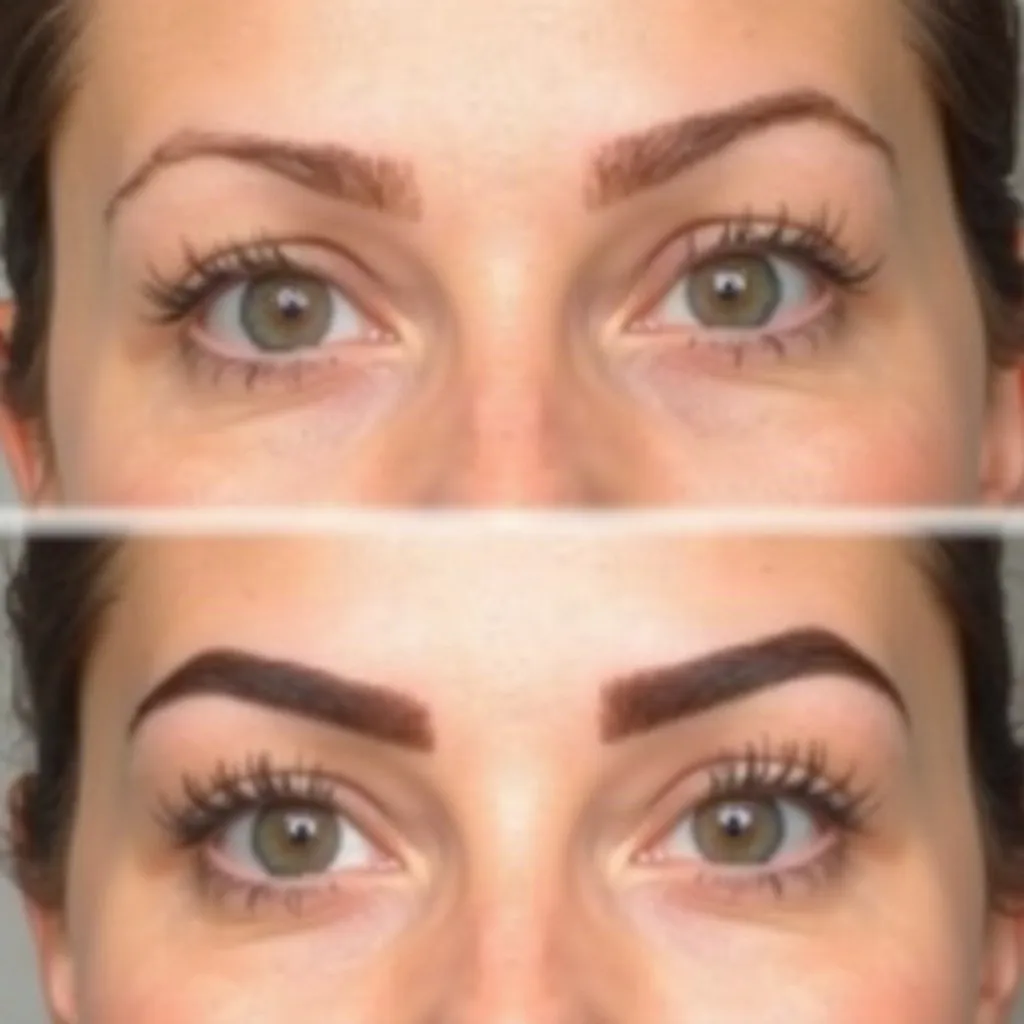
Learning About Professional Microblading: What It Indicates and How It Works
Microblading, a careful procedure in the cosmetic industry, involves the durable elevation of eyebrows. This technique employs a handheld tool outfitted with fine needles to inject pigment into the skin's upper layers, establishing hair-like strokes that mimic natural eyebrow hairs. The process begins a thorough consultation, where the technician examines the client's facial structure and discusses desired outcomes.
Following this step, a numbing solution is applied to reduce pain during the session. The artist carefully plans the optimal form, ensuring balance and alignment with the individual's facial features. Once the blueprint is approved, the microblading begins, generally taking about two to three hours to complete. Care after treatment is vital, as it includes detailed guidelines to promote healing and copyright the integrity of the outcome. Over time, touch-ups may be required to enhance the visual impact, ensuring that the brows continue to be prominent and vibrant.
The Benefits of Choosing Experienced Microblading
Selecting professional microblading delivers numerous advantages, particularly for those pursuing a polished and natural look. One considerable benefit is the skill of certified technicians who possess an in-depth understanding of facial symmetry and skin types. This professional insight guarantees that the brows are not only aesthetically pleasing but also tailored to improve individual features.
Moreover, trained specialists apply excellent pigments and equipment, reducing the potential of unfavorable reactions or unsatisfactory results. They equally observe exacting sanitation practices, ensuring a hygienic setting that limits the chance of infection.
Furthermore, professional microblading typically features a initial consultation, enabling clients to communicate their preferences and expectations successfully. This personalized approach builds trust and satisfaction, as clients leave with brows that complement their aesthetic and enhance their beauty. In the end, opting for professional microblading can lead to enduring outcomes that significantly boost one's look and self-assurance.
Getting prepared for Your Microblading Appointment
Getting ready for a microblading procedure involves several important steps to ensure optimal results. First, clients should book a meeting with their microblading artist to talk about desired outcomes, brow shape, and color choices. This initial meeting allows for a thorough grasp of individual needs and expectations.
In the days leading up to the appointment, it is recommended to steer clear of blood-thinning products such as alcohol, caffeine, and certain medications, which can impact healing. Additionally, clients should skip waxing or tinting their brows to ensure a clean canvas for the artist.
On the day of the session, coming with a fresh face, devoid of makeup, is vital. This enables the artist to assess the natural brow shape accurately. Clients should also inform any allergies or skin sensitivities to guarantee the safest and most effective treatment. Thorough preparation ultimately boosts the overall microblading experience.
Post-Care Suggestions for Caring for Your Microbladed Brows
Aftercare is crucial for sustaining the integrity of microbladed brows. Clients should prevent water exposure, use gentle cleansers, and apply healing ointment as advised. These steps help assure perfect healing and long-term results of the results.
Avoid Liquid Exposure
While semi-permanent eyebrows can boost one’s appearance, protecting their integrity requires meticulous aftercare, especially regarding water exposure. Water can hinder the healing process, possibly causing the pigment to fade prematurely or causing infection. For a minimum of two weeks after the procedure, it is important for individuals to avoid immersing their brows in water, whether through swimming, saunas, or excessive sweating. Showering should be taken carefully; using a shower cap can help shielding the area. Even washing the face requires attention, making sure that water does not directly hit the brow area. By adhering to these instructions, clients can extend the lifespan and color intensity of their microbladed brows.
Opt for Gentle Cleansing Products
After confirming brows are shielded against water exposure, the next step in maintaining microbladed brows involves the choice of cleansers. It is essential to select gentle, non-abrasive cleansers to avoid aggravating the delicate skin surrounding the brows. Harsh chemicals or exfoliants can interfere with the healing process and lead to fading or uneven results. A mild, fragrance-free cleanser helps in effectively removing impurities without compromising the integrity of the microbladed area. Users should use the cleanser using a gentle pad, avoiding any harsh rubbing. This mindful technique guarantees that the brows remain clean while supporting ideal healing. Continuing this routine helps preserve the precision and beauty of the microbladed brows over time.
Rub Healing Ointment
Using a healing salve is essential for the recovery of microbladed brows. This ointment functions as a protective barrier, supporting healing and reducing the risk of infection. Professionals typically advise that the ointment be applied gently with clean fingertips, ensuring to apply it evenly without over-saturation. It is important to adhere to the artist's exact instructions on the frequency and amount of application. A thin layer usually suffices, since too much product can cause clogged pores and slow down healing. Clients should refrain from touching their brows and avoid makeup or other skincare products in the area during healing. Proper care improves the longevity and look of the microbladed brows, ensuring that clients get their desired appearance.
Clearing Up General Falsehoods About Microblading
Throughout the landscape of microblading, numerous false impressions linger that can misguide would-be clients. Standard assumptions suggest that the procedure is excruciating, results are enduring, and it is only suitable for those with thin brows. Correcting these myths is necessary for a more accurate understanding of what microblading truly means.
Painful Microblading Experience
Numerous potential clients avoid trying microblading, worried about the pain involved in the procedure. However, this concern frequently arises from misconceptions. Professional microblading artists generally apply a topical anesthetic before beginning the process, greatly reducing discomfort. While certain individuals may experience slight sensitivity, most report the sensation as similar to light scratching rather than severe pain. The technique involves creating fine, hair-like strokes in the skin, which can be more bearable than expected. Additionally, the expertise of the technician serves an important role in guaranteeing a pleasant experience. Overall, the perception of pain can differ, but many clients believe the results far surpass any temporary discomfort, challenging the myth that microblading is an overwhelmingly painful procedure.
Results Are Lasting
One common fallacy regarding microblading is that the results are irrevocable. Actually, microblading involves applying a semi-permanent pigment to the skin, which usually fades over a period. Factors like skin type, sunlight exposure, and aftercare can determine the longevity of the results. Typically, microblading results last from one to three years before touch-ups become necessary. This semi-permanent feature allows individuals to modify their brow shape and color as trends or personal preferences shift. Grasping this point is vital for potential clients, as it eases concerns about long-term commitment. By dispelling the permanence myth, clients are empowered to make well-informed choices about their beauty enhancements without fear of permanent results.
Only For Light Brows
The belief that microblading is only right for those with thin brows is a rampant falsehood. Practically speaking, microblading can support a array of brow similar resource types, from sparse to bushy. This approach is designed to create lifelike hair strokes, making it adaptative for anyone striving to enhance their brows. Individuals with thicker brows can secure a more pronounced shape, while those with thinner brows can fill in gaps, creating a fuller appearance. Also, microblading can help balance asymmetrical brows, regardless of their initial thickness. Ultimately, the treatment is tailored, allowing professionals to cater to each client's unique brow needs, debunking the myth that it is exclusively for those with thin eyebrows.
Opting for a Certified Microblading Technician
How can one guarantee a safe and satisfying microblading experience? The choice of a qualified microblading artist plays an important role. A qualified artist not only has the required skills but also follows health and safety guidelines. To confirm proficiency, clients should verify that the artist has completed thorough training and received certification from a trusted institution.
Furthermore, reviewing the artist's portfolio is crucial; this showcases their previous work and unique style. Reviews and testimonials from past clients can provide insight into the artist's professionalism and customer satisfaction.
Furthermore, a meeting is advisable, enabling potential clients to inquire and assess the artist's expertise and methodology. Communication is critical; a good artist will listen to client preferences while offering expert guidance. Ultimately, investing time in selecting a certified microblading artist can result in an enhanced and rewarding beauty experience.
Frequently Raised Questions
How long Does the Microblading Procedure Usually Require?
The microblading treatment normally takes about two to three hours from beginning to end. This length of time includes consultation, brow sculpting, and the microblading application process, providing a detailed and personalized approach to achieve the preferred outcomes.
Is Microblading Work for All Skin Conditions?
Microblading is not suitable for all complexion types. Oily complexions may experience quicker fading, while sensitive or problematic skin can lead to complications. A discussion with a professional is essential to assess individual suitability.
Is Microblading Safe to Undergo While Expecting?
Microblading is typically not recommended during pregnancy due to hormonal fluctuations and increased skin reactivity. Additionally, potential risks from anesthetics and bacterial contamination may pose safety risks for both the pregnant woman and the unborn child.
What Must I Avoid Before My Microblading Appointment?
Before your microblading appointment, you should refrain from blood thinners, alcohol, caffeine, and certain medications. It's also recommended to skip excessive sun exposure and to make certain skin is clean and well-moisturized for ideal results.
When Should I Schedule My Next Touch-Ups?
Touch-ups are typically recommended every 6 to 12 months, relative to skin type and daily habits. Ongoing maintenance assists in protect the visual quality and durability of microbladed brows, confirming they continue to be fresh and crisp over time.
Report this page